
ABOUT THE BOOK
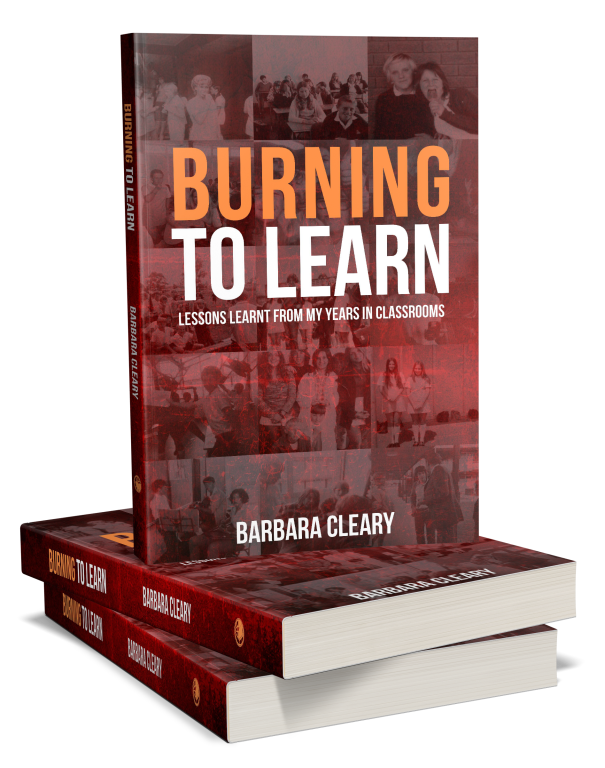
Burning to Learn is a heartfelt memoir tracing Barbara’s unexpected entry into teaching in 1960s Sydney – a journey sparked by academic failure and shaped by resilience, discovery, and the transformative power of education.
At 21, untrained and unsure, Barbara found herself teaching Catholic schoolgirls under the watchful eyes of the same stern nuns who once taught her. It was her students’ curiosity that reignited her love of music and gave her purpose. From the tough halls of Liverpool Girls’ High to the diverse classrooms of Cabramatta High beside a migrant hostel, Barbara learned to adapt – softening her strict style, finding humour and embracing her students’ love of pop alongside her struggle to revive her passion for classical music.
Her inspiring encounter with legendary music educator Richard Gill and her clash with a cheeky senior named Jon English became pivotal moments of growth. At Miller and then Busby High, Barbara came into her own – starting a choir accompanied by the school band and creating music programmes that lit up young lives.
Yet the journey wasn’t without mistakes. Learning to balance control with compassion, Barbara discovered that humility, connection and maintaining humour in the classroom were her greatest teaching tools.
Now, decades later, she reflects on those early years with warmth and gratitude. Burning to Learn is a moving tribute to teachers who learn just as much as they give – and the students who change them forever.
ABOUT BARBARA
Barbara Cleary was born in the 1940s, the last of the “seen and not heard” generation. A poor education in two Catholic schools plus a year among ruthlessly competitive classmates in a state school fuelled the fire in her belly to stand up for her rights and encourage her high school pupils to follow suit.
She’s worn three types of “hats”: teaching high school Music Appreciation, managing an academic second-hand bookshop and finally, employed in hospitals as a social worker.
Doing a social work degree was always her dream; but it was a mere six years of teaching, stumbled into after initial failure as an undergraduate, that she regards as having “made” her.
She is proud to have reconnected with several of the working class pupils she taught over fifty years ago who believed in her and is amazed at what they have achieved—despite the class warfare to which they were constantly subjected in the classroom in those bad old days.
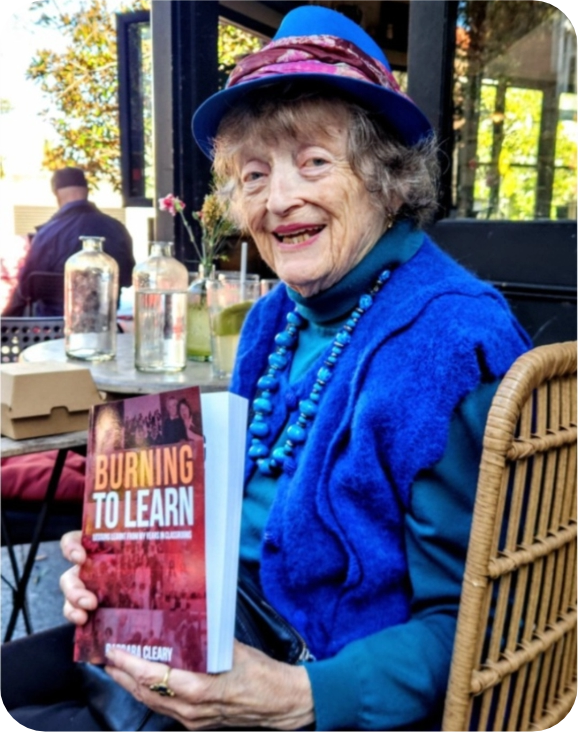
Photographer Glenn Lockitch.
CONTACT BARBARA: